

























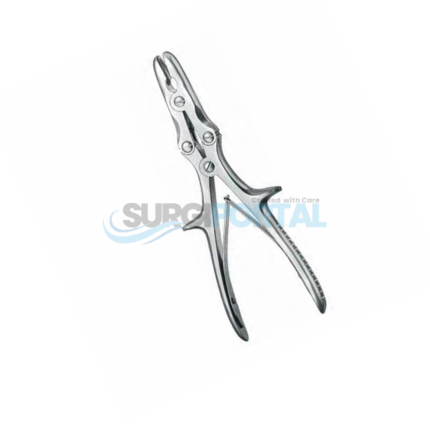
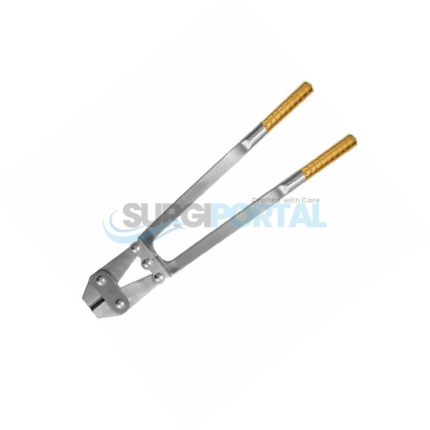
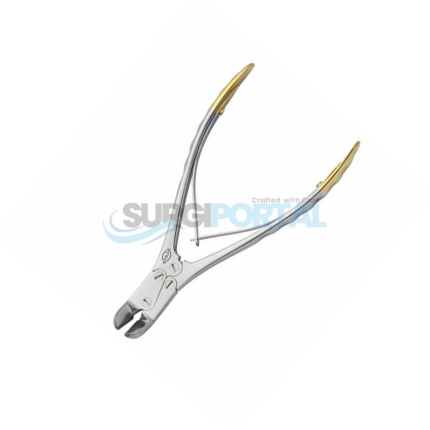
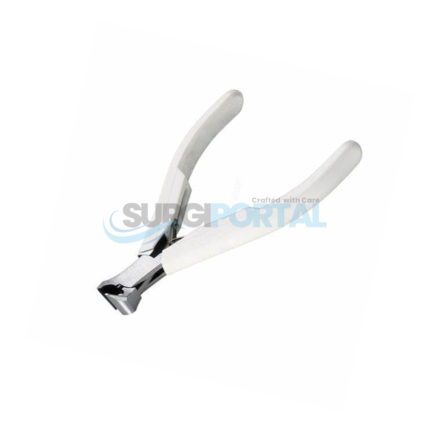
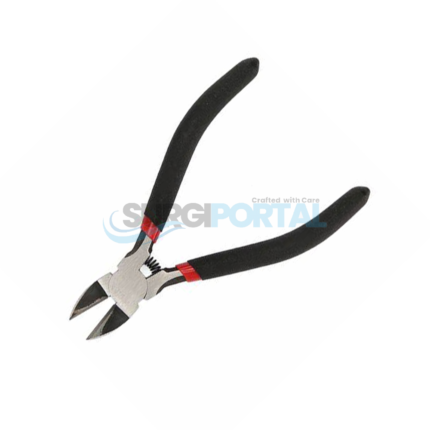
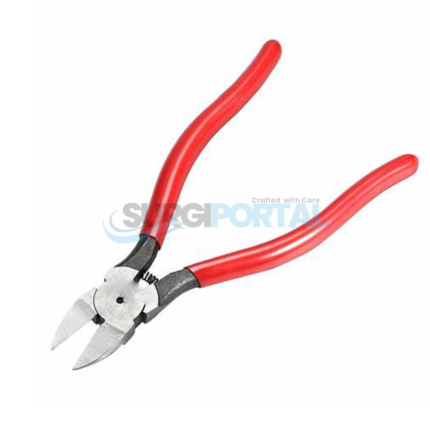
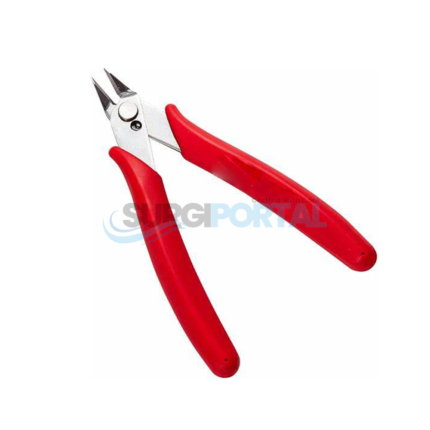
The Standard Wire Cutter is a high-precision surgical instrument designed for clean, controlled, and efficient cutting of orthopedic and orthodontic wires. It is an essential tool in surgical, dental, and trauma procedures where accurate wire trimming is required for proper fixation, alignment, and finishing.
This instrument is widely used in orthopedic surgery, orthodontics, maxillofacial surgery, and trauma care, where surgical wires are commonly used for stabilization and correction. It allows clinicians to cut wires with precision, ensuring smooth edges that reduce tissue irritation and improve patient comfort.
The Standard Wire Cutter is engineered for sharp, efficient, and controlled cutting performance, making it suitable for fine to medium gauge wires. Its hardened cutting edges ensure clean cuts without fraying or deformation, maintaining wire integrity and surgical accuracy.
Manufactured from premium surgical-grade stainless steel, the instrument offers excellent durability, corrosion resistance, and long-term reliability. It is designed to withstand repeated use in demanding clinical environments while maintaining sharpness and cutting efficiency.
The ergonomic handle design provides a secure and comfortable grip, reducing hand fatigue during prolonged procedures. Its balanced construction enhances control and precision, allowing clinicians to perform accurate wire cutting with minimal effort.
The Standard Wire Cutter is fully compatible with autoclave sterilization, ensuring strict hygiene and infection control in surgical and dental environments. It maintains its cutting performance and structural integrity even after repeated sterilization cycles, making it a dependable reusable instrument for professional use.
The smooth polished finish allows easy cleaning and reduces contamination buildup, ensuring safe and efficient clinical performance. This instrument is ideal for routine wire cutting tasks in both minor and major surgical procedures.
Overall, the Standard Wire Cutter is an essential tool in modern orthopedic and dental practice, offering precision, durability, and reliable performance for safe and accurate wire cutting.
Key Features
- Designed for precise cutting of surgical wires
- High-quality surgical-grade stainless steel construction
- Ideal for orthodontic and orthopedic use
- Sharp cutting edges for clean wire trimming
- Corrosion-resistant and durable material
- Ergonomic handle for secure grip and comfort
- Suitable for fine and medium gauge wires
- Ensures smooth, burr-free cutting
- Fully autoclavable and reusable instrument
- Balanced design improves control and accuracy
- Reduces wire deformation during cutting
- Professional-grade surgical performance
Product Specifications Table
| Specification | Details |
|---|---|
| Product Type | Surgical Wire Cutting Instrument |
| Application | Orthopedic and orthodontic wire cutting |
| Material | Surgical Grade Stainless Steel |
| Finish | Polished / Satin Finish |
| Sterilization | Autoclave Safe |
| Reusability | Reusable |
| Specialty | Orthopedic / Dental / Maxillofacial |
| Instrument Type | Standard Wire Cutter |
| Usage | Wire trimming and cutting |
| Product Contents | 1 x Standard Wire Cutter |
Applications
- Orthopedic fracture fixation wire cutting
- Orthodontic archwire trimming
- Maxillofacial surgical procedures
- Trauma surgery wire removal
- Dental wire adjustments
- Surgical implant support procedures
- Clinical wire manipulation tasks
- General surgical use
FAQs
Q1: What is a Standard Wire Cutter used for?
It is used for cutting orthopedic and orthodontic wires during surgical and dental procedures.
Q2: Can it cut thick wires?
It is designed for fine to medium gauge wires; heavy-duty cutters are recommended for thicker wires.
Q3: Does it leave sharp edges?
No, it provides clean and smooth cuts to minimize tissue irritation.
Q4: Is it reusable?
Yes, it is made from surgical-grade stainless steel and is fully reusable after sterilization.
Q5: Can it be autoclaved?
Yes, it is fully autoclavable and safe for repeated sterilization cycles.
Q6: In which fields is it commonly used?
It is commonly used in orthopedics, orthodontics, maxillofacial surgery, and trauma care.



Reviews
There are no reviews yet.