
























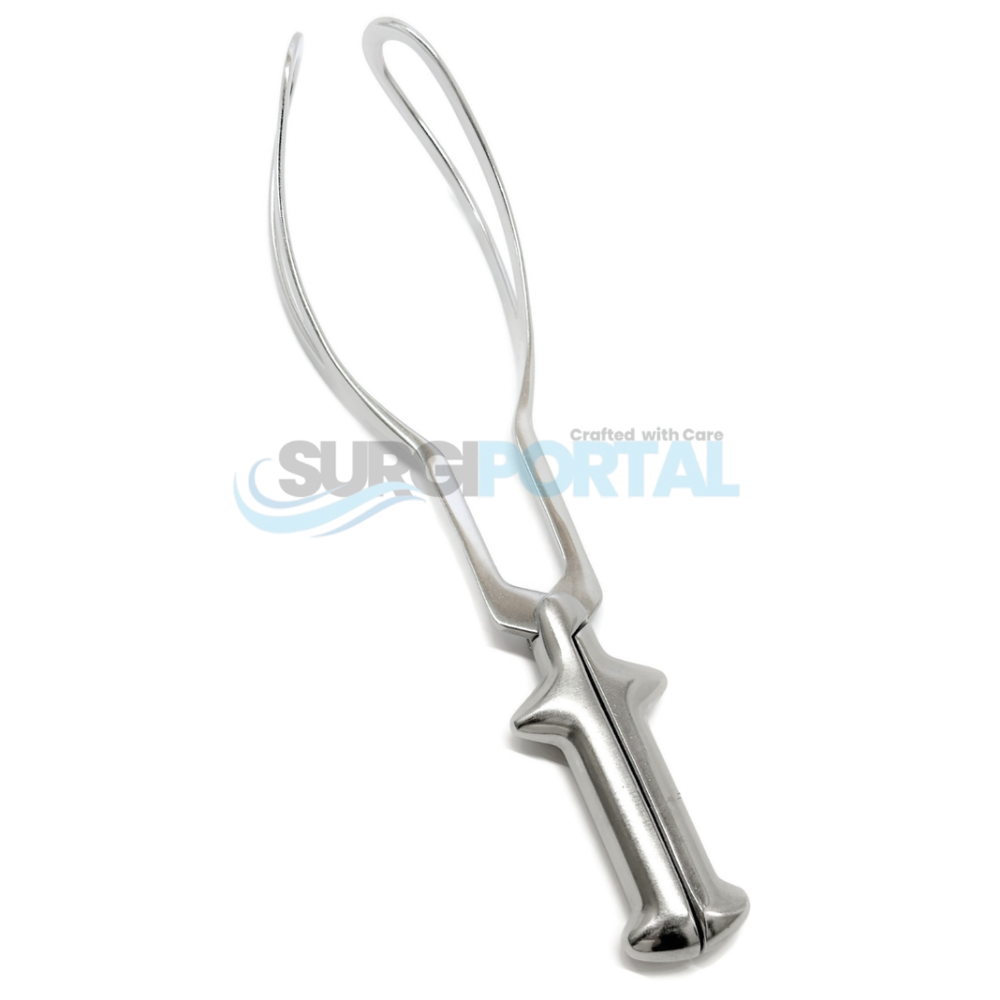
The Simpson Obstetric Forceps are widely used obstetric instruments designed for assisted vaginal delivery in cases where spontaneous childbirth is not possible or requires medical intervention. They are primarily utilized in obstetrics and gynecology for controlled delivery of the fetal head during the second stage of labor.
These forceps are engineered for precision, safety, and effectiveness in operative vaginal delivery procedures, particularly in cases of prolonged labor, fetal distress, or maternal exhaustion. Their design allows obstetricians to apply controlled traction to the fetal head while minimizing trauma to both mother and baby.
Manufactured from premium surgical-grade stainless steel, Simpson Obstetric Forceps offer excellent durability, corrosion resistance, and long-term reliability. The high-quality material ensures consistent performance even after repeated sterilization cycles, making them suitable for continuous use in hospitals, maternity wards, and obstetric operating rooms.
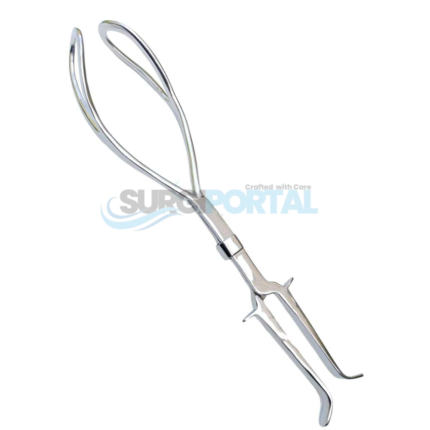
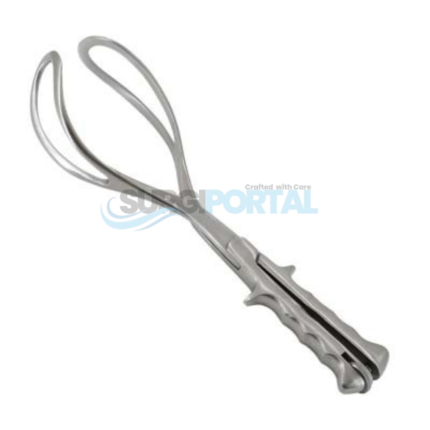
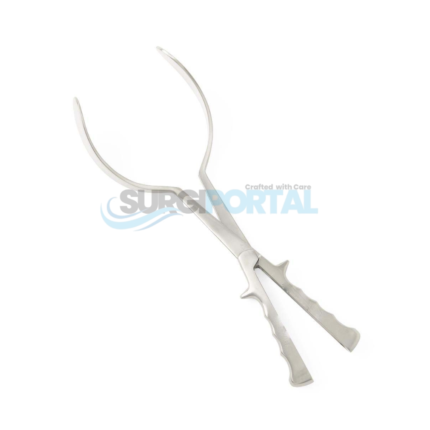
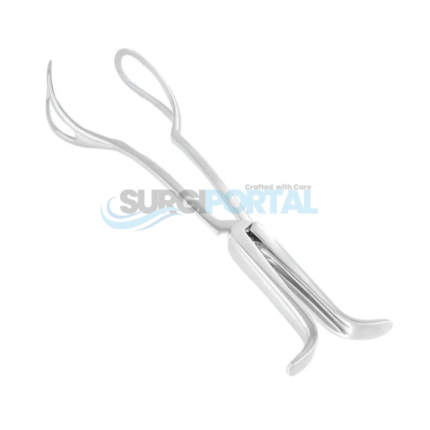
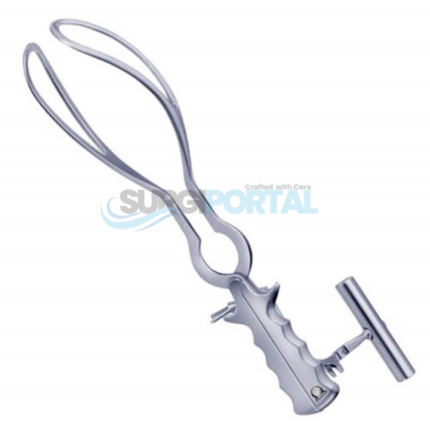
The instrument features long, fenestrated blades with a pronounced cephalic curve that conforms to the fetal head. This anatomical design ensures a secure yet gentle grip, allowing for even pressure distribution during traction. The fenestrations help reduce pressure on fetal tissues, enhancing safety during assisted delivery.
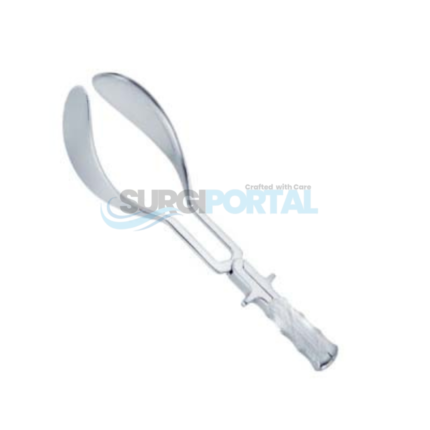
Simpson Obstetric Forceps are ergonomically designed to provide optimal control and stability during delivery procedures. The handle design allows for a firm and comfortable grip, enabling precise coordination with uterine contractions. This ensures smooth and controlled traction, which is essential for successful outcomes in difficult labor cases.
These forceps are commonly used in assisted vaginal deliveries, particularly when medical intervention is required due to prolonged second-stage labor, fetal distress, or ineffective maternal pushing efforts. They are a standard component of obstetric surgical sets in hospitals and maternity care facilities.
The polished stainless steel finish enhances corrosion resistance and ensures easy cleaning and sterilization. The smooth surface allows efficient removal of biological residues and supports strict infection control protocols. The instrument is fully autoclavable and reusable, ensuring long-term usability in sterile clinical environments.
A key advantage of Simpson Obstetric Forceps is their cephalic curve design, which provides improved adaptation to the fetal head, allowing safer and more controlled delivery. This design enhances grip stability and reduces the risk of slippage during traction.
In summary, the Simpson Obstetric Forceps are essential instruments in modern obstetric practice. Their combination of anatomical precision, durable stainless steel construction, and ergonomic handling makes them a trusted choice for assisted vaginal delivery procedures.
Key Features
- Premium surgical-grade stainless steel construction
- Designed for assisted vaginal delivery procedures
- Long fenestrated blades for secure fetal head grasping
- Pronounced cephalic curve for better head adaptation
- Provides controlled traction during obstetric delivery
- Ideal for prolonged labor management
- Ergonomic handle for secure grip and precision control
- High corrosion resistance and long-lasting durability
- Fully autoclavable and reusable instrument
- Smooth polished finish for easy cleaning and sterilization
- Balanced structure for stable obstetric manipulation
- Designed to minimize maternal and fetal trauma
Product Specifications
| Specification | Details |
|---|---|
| Product Type | Obstetric Forceps |
| Application | Assisted vaginal delivery |
| Material | Stainless Steel (Medical Grade) |
| Finish | Satin / Mirror Polished |
| Sterilization | Autoclavable |
| Reusability | Reusable |
| Specialty | Obstetrics & Gynecology |
| Instrument Type | Simpson Obstetric Forceps |
| Usage | Obstetric delivery procedures |
| Product Contents | 1 x Simpson Obstetric Forceps |
Applications
- Assisted vaginal delivery
- Prolonged second-stage labor
- Fetal distress management
- Maternal exhaustion cases
- Operative obstetric procedures
- Hospital maternity ward deliveries
- Emergency obstetric interventions
- Controlled fetal head extraction



Reviews
There are no reviews yet.