
























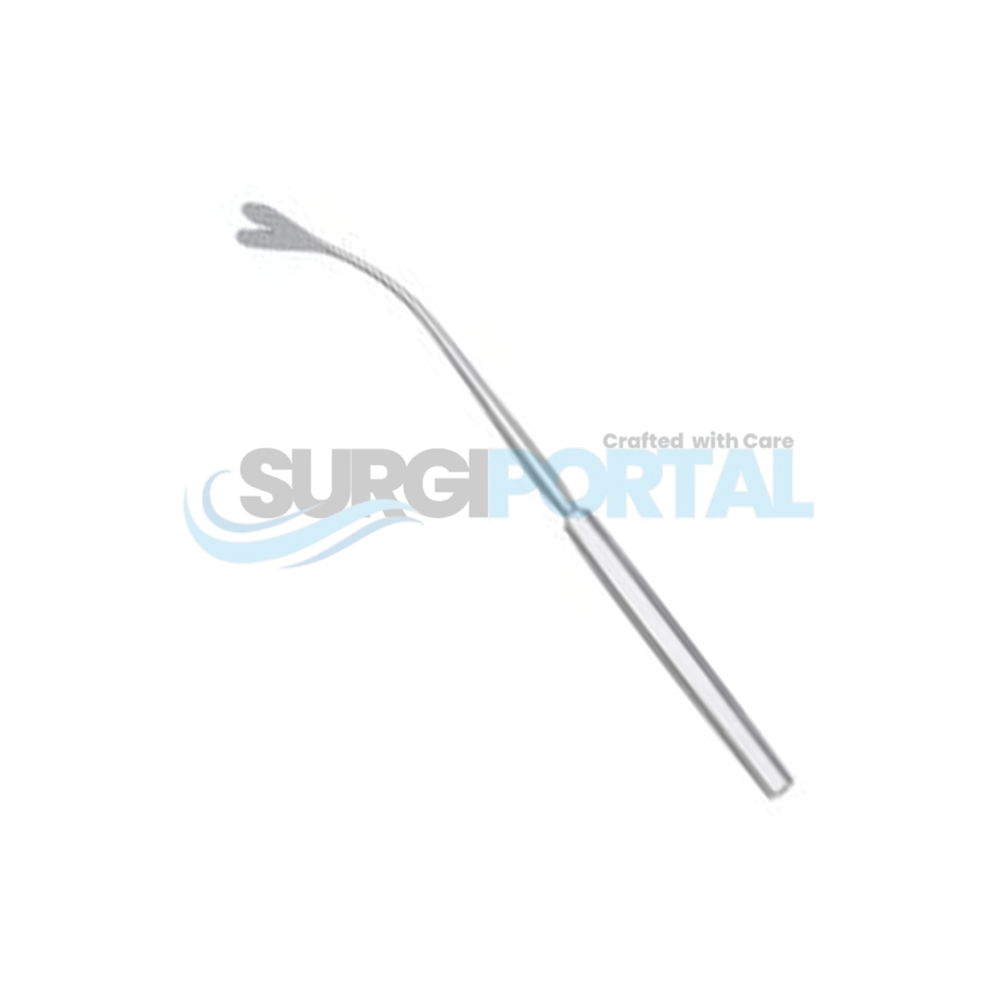
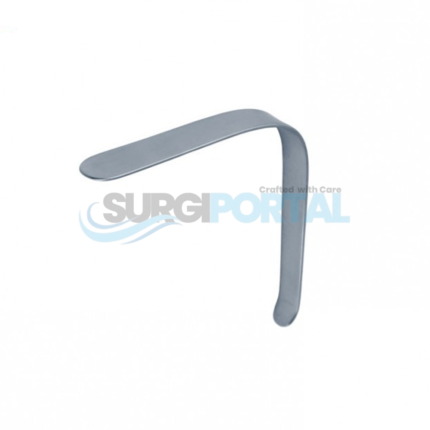
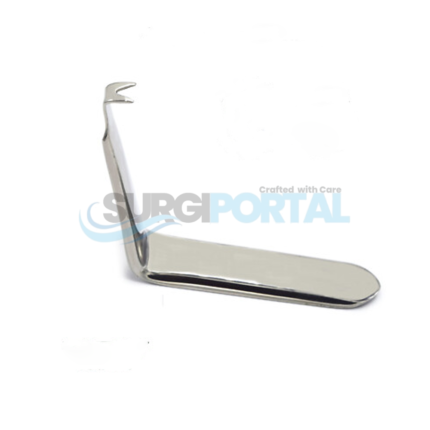
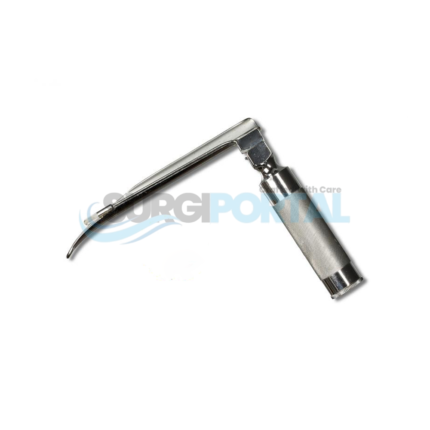
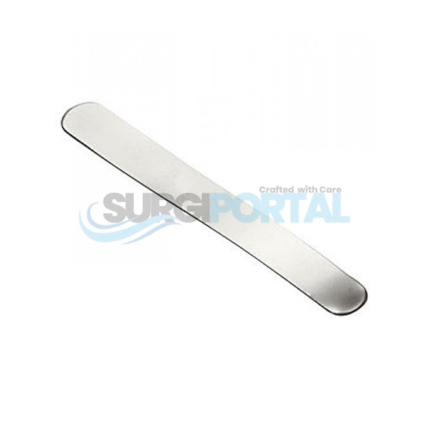
Epiglottis Depressor is a precision otolaryngology instrument used to improve access and visibility of the laryngeal inlet and upper airway during diagnostic and surgical procedures.
Designed to gently elevate or depress the epiglottis, the instrument enables clinicians to obtain a clear view of the vocal cords, glottis, and adjacent anatomical structures that may otherwise be obscured.
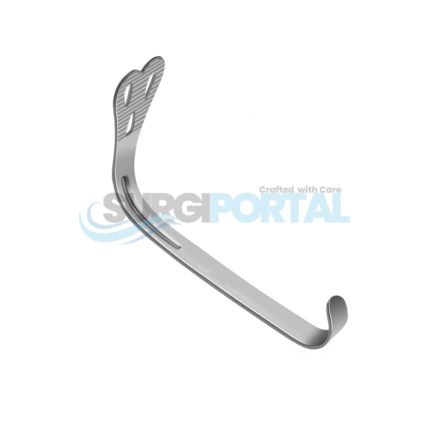
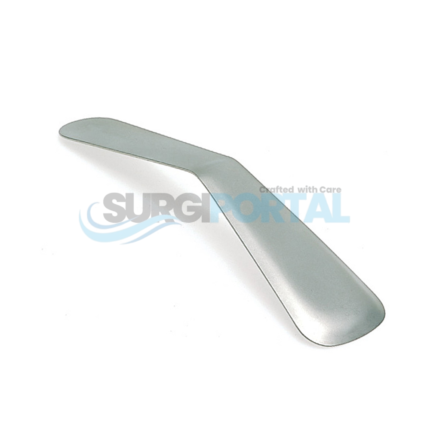
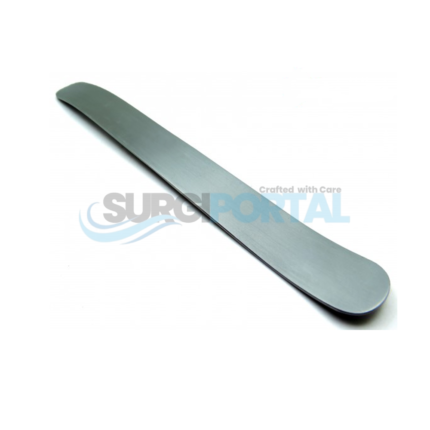
The instrument features a smooth, atraumatic working blade engineered to minimize pressure-related tissue injury while providing effective control of the epiglottis.
Its slender profile allows precise manipulation within the confined space of the oropharynx and larynx, making it particularly suitable for use during indirect laryngoscopy, direct laryngoscopy, endoscopic examinations, and airway management procedures.
The ergonomic handle ensures a secure grip and precise control, enhancing clinician comfort and procedural accuracy.
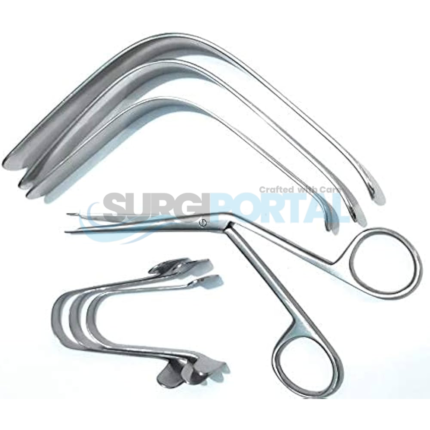
Available in multiple blade shapes, widths, and lengths, Epiglottis Depressors can be selected according to patient anatomy and specific procedural requirements.
Manufactured from premium surgical-grade stainless steel, the instrument offers exceptional durability, corrosion resistance, and dependable long-term performance. The satin or matte low-glare finish minimizes reflections under examination lights and operating room illumination while facilitating efficient cleaning and maintenance.
Widely used in hospitals, ENT clinics, operating rooms, and emergency departments, the Epiglottis Depressor is an essential component of airway management and laryngeal examination instrument sets.
Fully reusable and autoclavable, the instrument is designed to withstand repeated cleaning and sterilization cycles while maintaining structural integrity and reliable performance.
Common Clinical Applications Include:
- Direct Laryngoscopy
- Indirect Laryngoscopy
- Airway Examination
- Endotracheal Intubation Assistance
- Vocal Cord Visualization
- Upper Airway Assessment
- ENT Procedures
- Endoscopic Examinations
- Emergency Airway Management
- Oropharyngeal Procedures
Specifications
| Feature | Details |
|---|---|
| Product Name | Epiglottis Depressor |
| Instrument Type | ENT Retractor and Depressor |
| Function | Retraction and Stabilization of the Epiglottis |
| Working End | Smooth, Atraumatic Blade |
| Handle Design | Ergonomic Handle |
| Material | Surgical-Grade Stainless Steel |
| Finish | Satin or Matte Low-Glare Finish |
| Available Configurations | Multiple Blade Shapes and Sizes Available |
| Sterilization | Fully Sterilizable and Autoclavable |
| Reusability | Reusable |
| Application | ENT, Airway Management, and Laryngeal Examination |
Frequently Asked Questions
What is an Epiglottis Depressor used for?
It is used to retract and stabilize the epiglottis to improve visualization of the larynx and upper airway.
Which procedures commonly use an Epiglottis Depressor?
It is commonly used during direct laryngoscopy, airway examinations, endotracheal intubation, and ENT procedures.
How does the atraumatic blade design benefit patients?
The smooth blade helps minimize tissue trauma while providing effective control of the epiglottis.
Which medical specialties commonly use this instrument?
It is primarily used in otolaryngology, anesthesiology, emergency medicine, and critical care.
Are different blade configurations available?
Yes. Multiple blade sizes and shapes are available to accommodate different patient anatomies and procedural requirements.
Is the Epiglottis Depressor autoclavable?
Yes. It is fully sterilizable and designed to withstand repeated autoclave cycles.
Is this instrument reusable?
Yes. The instrument is reusable and engineered for repeated cleaning, sterilization, and long-term professional use.



Reviews
There are no reviews yet.