
























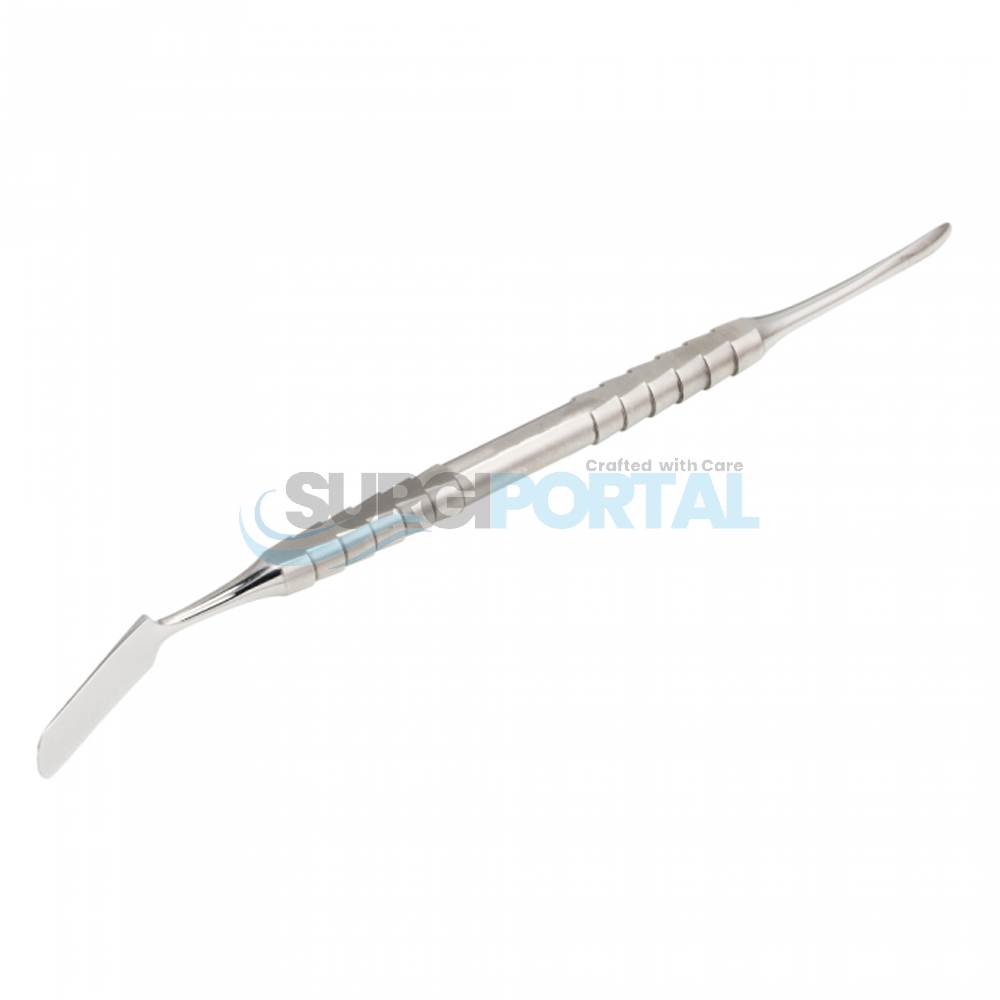
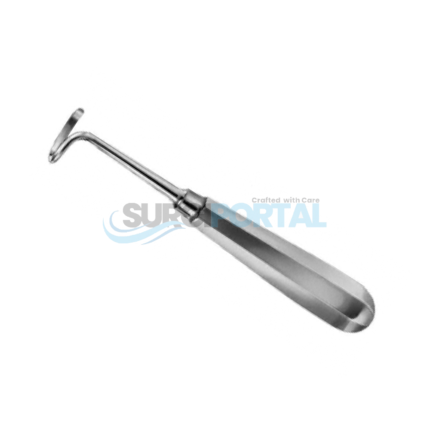
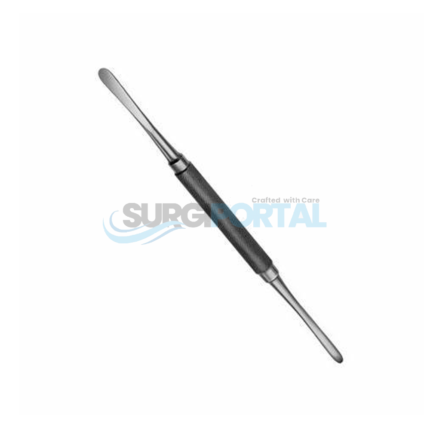
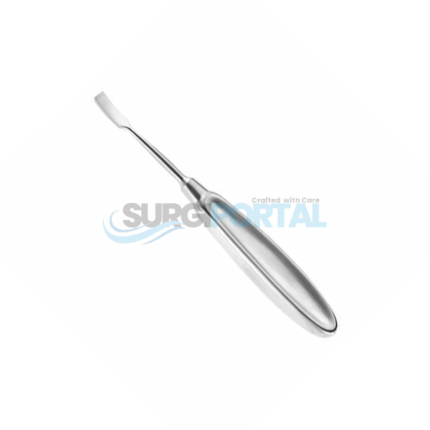
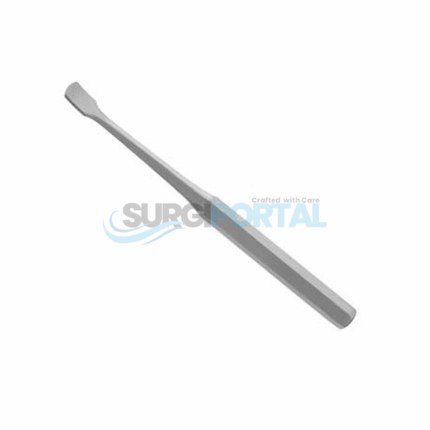
The Prichard Elevator is a specialized periosteal elevation instrument widely used in dental, oral surgery, and minor orthopedic procedures for precise reflection of soft tissue and periosteum from bone surfaces. It is designed to provide controlled elevation, allowing surgeons and dental professionals to access underlying bone structures safely and efficiently.
This instrument features a thin, flat, and sharply designed working end that enables accurate separation of periosteum from bone without unnecessary trauma. Its precise edge allows smooth tissue lifting, making it ideal for procedures requiring clean surgical access such as flap creation, bone preparation, and implant site exposure.
Manufactured from premium surgical-grade stainless steel, the Prichard Elevator offers excellent durability, corrosion resistance, and long service life. It is fully autoclavable and designed to withstand repeated sterilization cycles without loss of performance, ensuring consistent reliability in clinical and surgical environments.
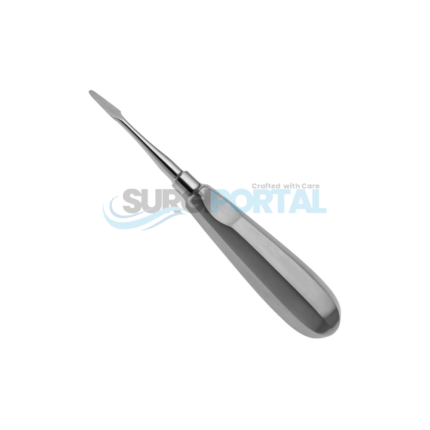
The instrument is ergonomically designed with a comfortable handle that ensures stable grip and precise control during delicate surgical movements. Its balanced structure reduces hand fatigue and enhances accuracy, especially during prolonged dental or surgical procedures requiring fine manipulation.
The Prichard Elevator is commonly used in periodontal surgery, dental implant procedures, tooth extraction support procedures, and oral flap surgeries. It is also utilized in minor orthopedic and reconstructive procedures where controlled periosteal elevation is required for proper surgical access.
The polished stainless steel surface provides excellent resistance to staining and corrosion while ensuring easy cleaning and sterilization. Its smooth finish helps maintain strict hygiene standards and prevents contamination buildup during repeated use.
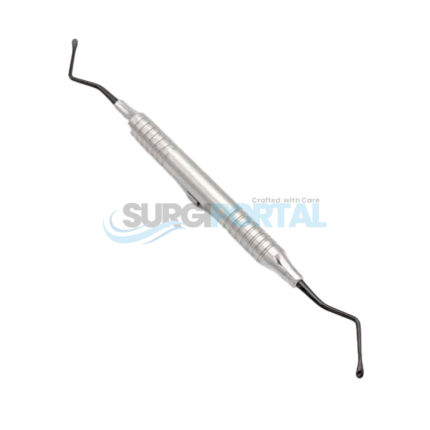
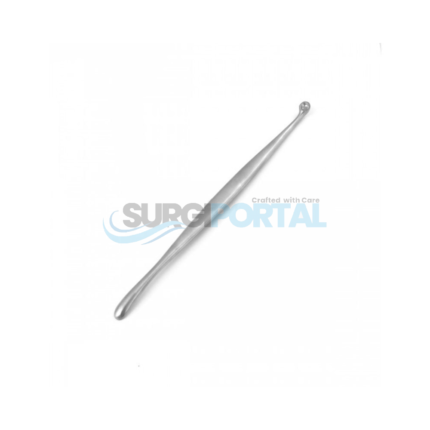
Available in different blade widths and configurations, the Prichard Elevator can be selected based on clinical requirements and surgical access needs. Its versatility makes it a standard instrument in dental surgical kits worldwide.
Overall, the Prichard Elevator is a highly reliable and precise surgical tool that ensures safe, controlled, and efficient periosteal elevation for dental and surgical procedures.
Key Features
- Precision thin blade for periosteal elevation
- High-grade surgical stainless steel construction
- Corrosion and rust resistant material
- Ideal for flap reflection and bone exposure
- Ergonomic handle for secure grip
- Smooth controlled tissue separation
- Fully autoclavable and reusable
- Mirror-polished finish for hygiene and durability
- Available in multiple blade sizes
- Minimizes soft tissue trauma
- Suitable for dental and oral surgery use
- Long-lasting surgical performance
Product Specifications Table
| Specification | Details |
|---|---|
| Product Type | Periosteal Elevator |
| Application | Tissue and periosteum elevation |
| Material | Medical Grade Stainless Steel |
| Finish | Mirror Polished |
| Sterilization | Autoclave Safe |
| Reusability | Reusable |
| Specialty | Dental & Surgical Instruments |
| Instrument Type | Prichard Elevator |
| Usage | Flap elevation and bone access |
| Product Contents | 1 x Prichard Elevator |
Applications
- Dental periodontal surgery
- Oral flap elevation procedures
- Dental implant site preparation
- Tooth extraction support procedures
- Minor oral surgical procedures
- Bone surface exposure
- Soft tissue reflection in surgery
- Minor reconstructive surgical procedures
FAQs
1. What is a Prichard Elevator used for?
It is used to elevate periosteum and reflect soft tissue flaps in dental and surgical procedures.
2. Is it only used in dentistry?
It is mainly used in dental surgery but can also be used in minor surgical procedures requiring tissue elevation.
3. What material is it made of?
It is made from high-quality surgical-grade stainless steel.
4. Can it be sterilized?
Yes, it is fully autoclavable and reusable after sterilization.
5. Does it damage tissue?
No, it is designed for controlled and precise elevation with minimal tissue trauma.
6. What procedures is it commonly used in?
It is used in periodontal surgery, implant preparation, and flap surgeries.
7. Is it reusable?
Yes, it is a reusable instrument designed for long-term clinical use.



Reviews
There are no reviews yet.